You’ve checked off the bucket list. You’ve sipped Malbec in the shadows of the Andes, watched the sunrise over the Serengeti, and navigated the sleek streets of Tokyo. But for the “Been-Everywhere Traveler,” there eventually comes a point where luxury isn’t just about the thread count of the linens or the exclusivity of the lounge. It’s about something deeper. It’s about connection. It’s about legacy.
Welcome to the world of heritage travel. This isn’t your standard vacation; it’s a pilgrimage to the self. It’s the process of retracing the footsteps of those who came before you, finding the exact coordinates where your family’s story began. At Travel Design Co, we believe that curated travel journeys should do more than just show you the world: they should show you where you fit within it.
The Foundation: Why Research is the Ultimate Luxury
For the “Time-Starved Achiever,” the biggest hurdle to a meaningful heritage trip is the sheer volume of data. You don’t just want to “go to Ireland”: you want to find the specific stone cottage in County Cork where your great-grandmother baked bread before boarding a ship for New York.
The secret to a successful heritage journey lies in the “Pre-Trip Deep Dive.” This isn’t something you can rush. We recommend starting your research six to nine months in advance. Why? Because local archives in small European villages or South American provinces don’t always operate on digital time. They operate on human time.
Start by gathering the “DNA” of your trip:
- The Paper Trail: Dust off the birth certificates, marriage licenses, and old letters. Look for addresses, church names, and specific occupations.
- The Biological Map: If you haven’t already, a DNA test can provide the broad strokes of your ethnic roots, pointing you toward regions you might have overlooked.
- The Local Connection: Reach out to local historical societies and parish churches. Often, a kind librarian in a small town holds the keys to records that haven’t been touched in decades.
We take the time to understand these nuances because we know that personalized travel requires a foundation of truth. When we design these journeys, we aren’t just booking hotels; we are piecing together a narrative […]
Mapping the Narrative: Strategic Itinerary Building
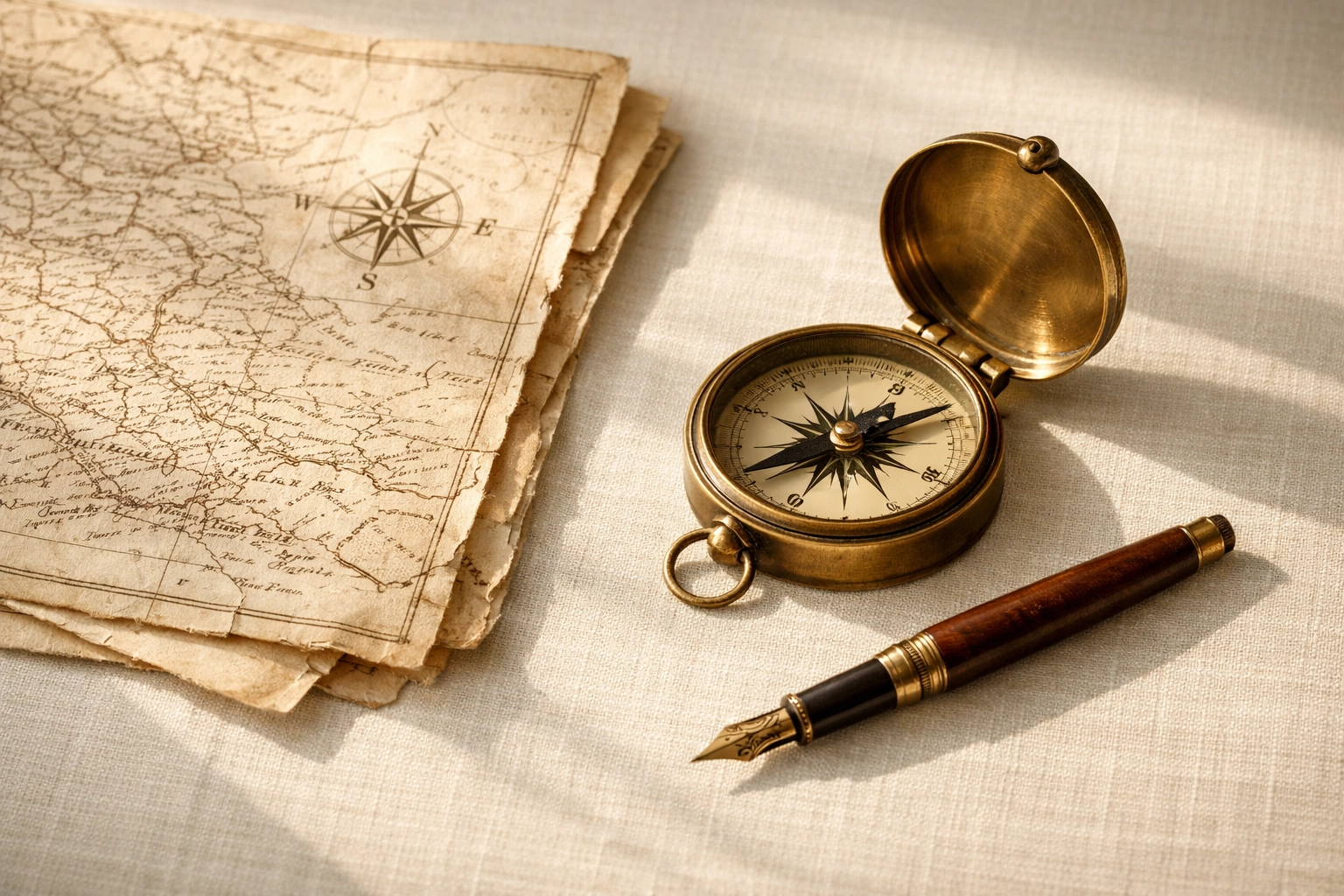
Once you have the locations, the temptation is to see everything at once. But a heritage trip shouldn’t feel like a marathon. To truly absorb the emotional weight of standing where your ancestors stood, you need space to breathe.
We suggest a “Anchor and Pivot” strategy. Choose one or two primary ancestral hubs and spend at least 3-4 days in each. If your family roots lead you to the sun-drenched olive groves of Southern Italy or the Baroque elegance of Austria, don’t spend your time racing to Rome or Vienna. Stay local.
Visualize your history geographically. Are there clusters of family events? Did your ancestors migrate from a mountain village to a port city? Building your itinerary to follow that same path adds a layer of chronological storytelling to your travel. It’s not just a trip; it’s a reenactment of a survival story that resulted in you.
Avoiding the Tourist Traps: Seek Authenticity Over Attractions
The biggest mistake heritage travelers make is falling into the “ancestral Disneyland” trap. These are the generic “Clan Centers” or “Immigration Museums” that, while informative, offer a sanitized, one-size-fits-all version of history. To find the real story, you have to go smaller.
1. The Local Library Over the National Museum
National museums are great for context, but local libraries and small-town archives are where the ghosts live. This is where you’ll find property tax records, school rosters, and local newspaper clippings that mention your family name.
2. The Cemetery Search
There is an incredible, quiet power in visiting a family gravesite. Use resources like Find A Grave before you go, but once you’re there, talk to the groundskeeper. They often know the history of the plots better than any digital database.
3. The Working History
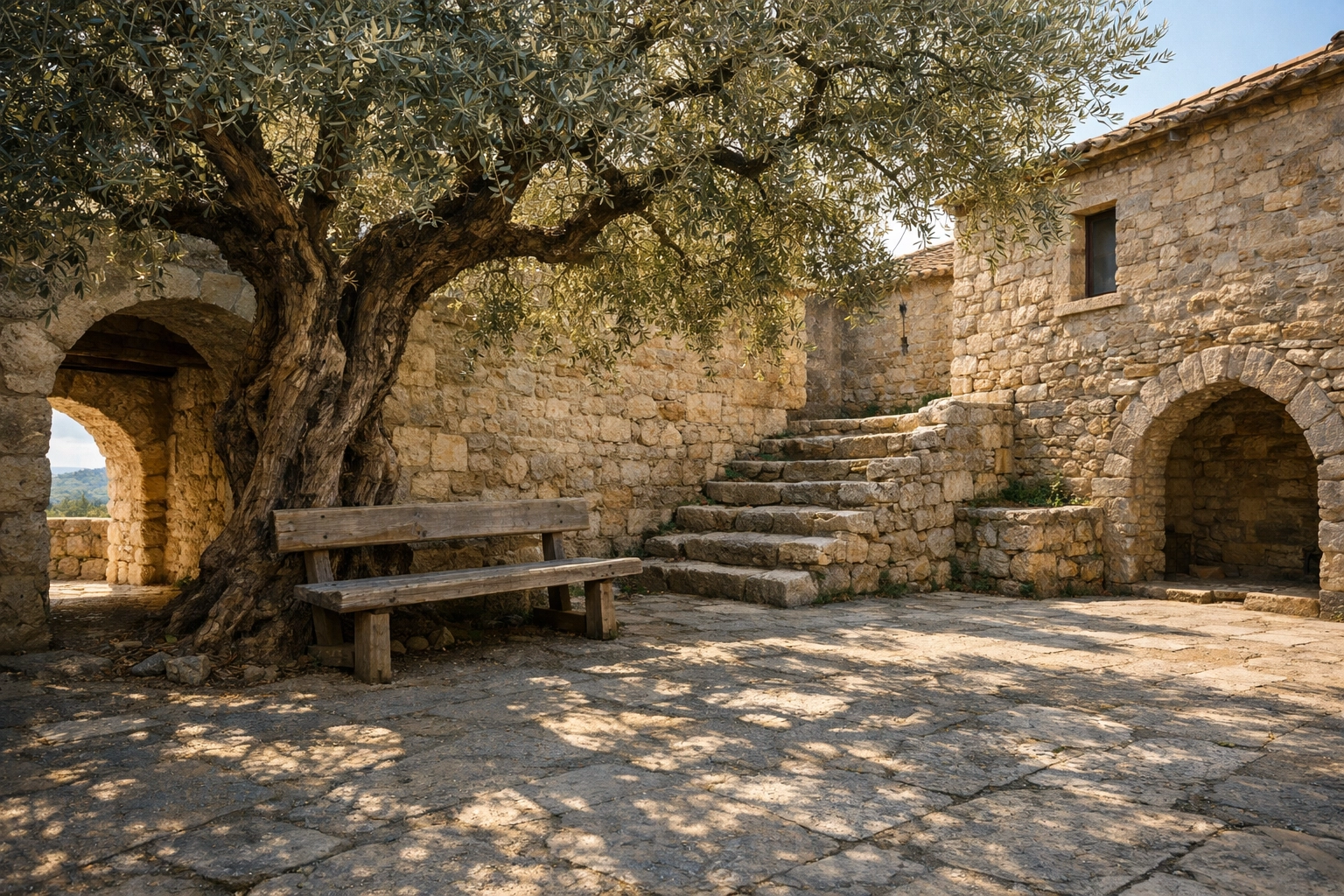
What did your ancestors do? If they were silver miners in Argentina or lace-makers in Belgium, find the places where those trades are still practiced. Don’t just look at the tools in a glass case: touch the raw materials. Taste the food that sustained them.
Curating the Experience: The Travel Design Co. Touch
For the high-achieving traveler, your time is your most precious commodity. You want the deep-dive discovery without the logistical headache of navigating rural foreign train schedules or translating 19th-century church Latin.
This is where our team of visionary advisors, like Lauren Cardinale and Bridget Moses, step in. We don’t just “book trips.” We partner with local genealogists and private historians who can meet you on the ground, open doors that are usually locked, and translate the whispers of the past into a language you understand.
Our how we work process is built around you. We take the time to learn your family’s specific quirks and goals. No two lineages are the same, so no two heritage journeys should be either. Whether you’re looking for a luxury villa that can house three generations of your family as you explore your roots together, or a solo soul-searching mission, we curate every detail to ensure the focus remains on the connection, not the commute.
Documentation: Creating the Legacy
A heritage trip shouldn’t end when you land back at home. Part of the journey is ensuring that the stories you’ve uncovered are preserved for the next generation.
- The Digital Story Map: Use tools like Google My Maps to create a personalized, annotated map of your journey. Drop pins at the exact house where your grandfather was born, the church where your parents married, and the pub where you met a long-lost cousin.
- The Sensory Journal: Don’t just write down facts. Describe the smell of the air in the village, the texture of the stone walls, and the specific shade of blue of the sea.
- The Heritage “Artifact”: Find something meaningful to bring back: not a souvenir from a shop, but perhaps a rubbing from a headstone, a handful of soil (where legal!), or a recipe from a local who knew your family name.
The Journey of a Lifetime Starts with a Single Name
Heritage travel is an investment in your identity. It’s about replacing “I think my family is from here” with “I know exactly where I come from.” In a world that is increasingly digital and disconnected, standing on the physical ground of your ancestors is a grounding experience that no other form of travel can replicate.
Are you ready to stop being a tourist and start being a storyteller? Whether your roots lead you to the rugged coastlines of the Dominican Republic or the mist-covered mountains of Europe, we are here to guide you home.

Your history is waiting to be rediscovered. Let’s build a journey that honors your past while celebrating your present. Reach out to us to begin your personalized genealogical discovery. The path is already there: you just have to walk it.
Explore. Discover. Connect. The next chapter of your family story starts here […]