An olive tree shading a quiet pool terrace above a calm bay in soft afternoon light.

Travel Trends

2027 Luxury Travel Trends: What’s Changing (and How to Plan Smarter)
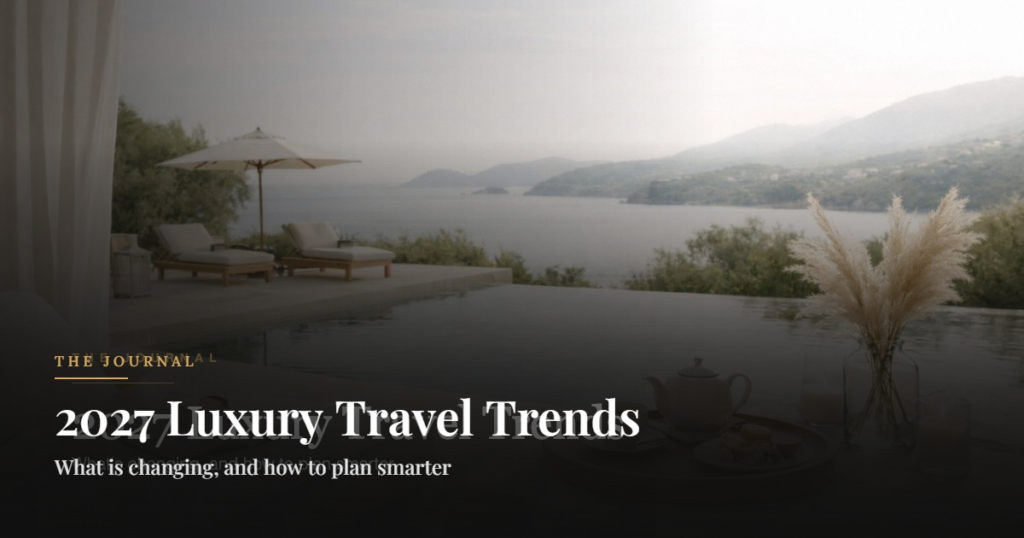
Heat-smart summers, slower itineraries, and the river cruise question nobody wants to answer out loud.

CategoryTravel Trends
Words byLauren Cardinale
CredentialCondé Nast Top Travel Specialist
PublishedAugust 25, 2026
Read9 min

Luxury travel in 2027 isn’t just about where you go. It’s about how you go.

At Travel Design Co. we’re seeing travelers prioritize comfort, pacing, and meaning more than ever. You want a trip that feels effortless, personal, and beautifully designed from the first morning to the last, without spending your vacation troubleshooting logistics.

Here’s what we’re watching for 2027, and what each shift actually means for your trip.

The Quick Take

Six shifts shaping next year

  • Heat-smart travel is no longer a niche. Cooler regions and shoulder seasons are shaping the whole summer calendar.
  • Experience-first itineraries have fully replaced checklist travel.
  • Slower pacing is still the clearest marker of a well-designed trip.
  • River cruising is at an inflection point. Water levels are the story, and how you plan around them matters more than it used to.
  • Wellness keeps getting more practical: sleep, movement, real food, and breathing room.
  • Human curation is the new premium. Anyone can generate an itinerary. Very few can vouch for one.
Sea cliffs and pink thrift along a cool Atlantic coastline, the kind of summer alternative to peak-season heat.

Heat-smart travel is now the default, not the workaround

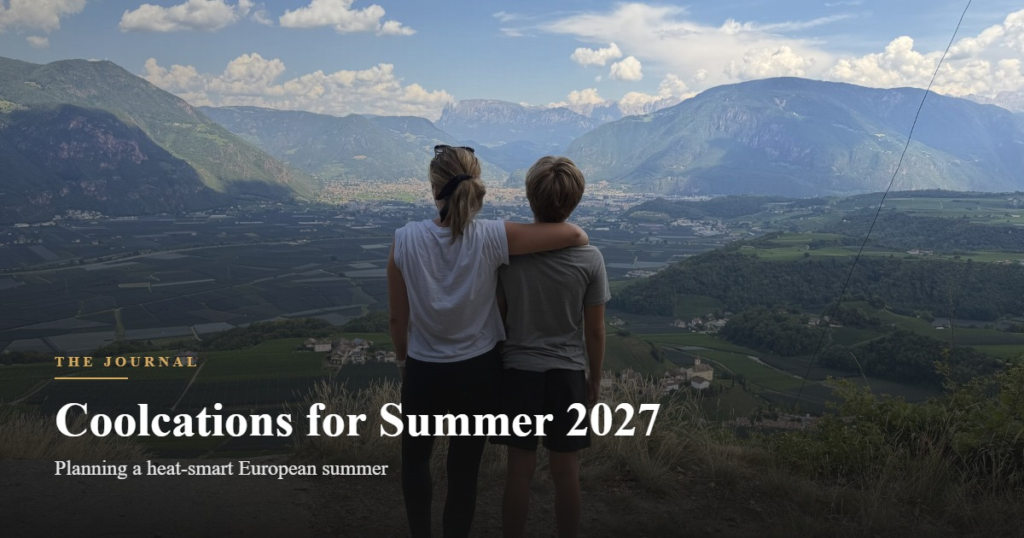
Summer travel has shifted for good. You may still want Europe in peak season, and you still can, but the smartest routes now build in cooler regions and cooler microclimates, shoulder seasons that in many places now deliver better weather than midsummer, and pacing that respects the afternoon instead of fighting it.

What it means for you: September and early October are doing a lot of heavy lifting right now, and they book earlier every year.

Market trays of dried fruit, spices and nuts, the kind of stop a good local guide builds a morning around.

Experience-first itineraries

The move away from checklists is complete. The trips people talk about years later are built around a handful of unforgettable moments: a private guide who makes a place click into focus, a kitchen or a cellar you would never find on your own, a milestone designed around the people in the room rather than the venue.

What it means for you: The best itineraries usually have two to four anchor experiences. Everything else flows around them, and the open hours between are part of the design.

A pool terrace above a quiet bay, the kind of single base that replaces four one-night stops.

Slower pacing, longer stays, fewer hotel changes

Fewer stops. Longer stays. It simply feels better, and it costs you less in wasted travel days. Strategic base cities instead of one night here and two nights there. Day trips that return you to the same bed and the same unpacked suitcase. Genuine rest built into the middle of the day.

You’ll see more, enjoy more, and come home restored instead of needing a vacation from your vacation.

Lauren Cardinale, Founder

A river cruise ship moored along a green riverbank in Europe, where water levels shape the sailing.

River cruising, and the water level conversation nobody wants to have

River cruising is still one of the most elegant ways to see Europe. You unpack once, wake up somewhere new, and get a rare balance of structure and freedom. That hasn’t changed, and for the right traveler it’s still hard to beat.

Here’s the honest part. Water levels have become a real variable. The summer of 2026 brought historically low water to stretches of the Danube and the Rhine, with a record low recorded at Budapest in late July. Lines responded the way good operators do, with ship swaps, motorcoach transfers between segments, and substituted ports, but some guests spent more time on a bus than they had planned. High water can cause the same headaches in reverse, when a ship cannot clear a bridge.

Our read for 2027: we may see river cruise demand soften as travelers hear these stories. We think that’s an overcorrection. The risk is real, but it’s manageable, and it is far more manageable with someone in your corner who books these itineraries constantly.

How we lower your risk

  • Timing. Low water is most often a late-summer problem, after a long stretch of heat and thin rainfall. High water tends to be a spring concern. Choosing your window deliberately is the single biggest lever you have.
  • Itinerary selection. Some river stretches are more vulnerable than others. We steer you toward routes with more reliable depth and more flexibility built in.
  • Line and ship selection. Fleet size in the region, sister-ship swap capability, and the clarity of the compensation policy all matter, and we know which is which.
  • Structure the trip so the cruise isn’t the whole trip. A well-designed pre or post land stay means that even a modified sailing leaves the heart of your trip intact.
  • The right insurance, read closely before you buy. Coverage for itinerary change varies widely.
  • A human being on call. When a sailing changes at 6am in Europe, you want someone who answers, not a queue.
Planning this one

Thinking about a river cruise in 2027?

Timing is the part you cannot fix later. Tell us roughly when and where, and we will tell you honestly whether the window you are considering is the right one.

Start with a call

A private terrace at dusk with a lit infinity pool and the sea beyond.

Wellness travel that feels natural, not performative

Wellness travel keeps getting less precious and more practical. Less crystal, more sleep. Hotels with real spa and wellness programming rather than a token treatment menu. Nature-forward destinations where the movement happens outside. Restorative pacing, which is really just good itinerary design. Food that manages to be both indulgent and nourishing.

What it means for you: Even a dense city and culture itinerary can feel like a wellness trip when it’s built with breathing room.

Human curation is the new premium

Anyone can generate a plausible itinerary in ten seconds now. What has become scarce is judgment: someone who has stayed in the hotel, knows which room categories are worth the upgrade, knows which guide is having a good year, and will pick up the phone when a flight cancels.

What it means for you: The research phase has never been easier. The vouching has never been more valuable. That is the part we do.

Ready when you are

Planning 2027 travel?

The earlier we plan, the more options you have: top hotels and the best room categories, the private guides and drivers who book out first, and the high-demand seasons that disappear quietly.

Request a quote

Travel Design Co.

Written by

Lauren Cardinale

Founder of Travel Design Co., based in New Orleans, designing trips since 2013.

Condé Nast Top Travel SpecialistASTA Verified AdvisorSignature Travel Expert SelectTripAdvisor Reco Founding Advisor

Leave a Reply

Your email address will not be published. Required fields are marked *